Archive
Articles
All essays on relationships, emotions and the self — newest first. Every piece comes in three forms: read, listen, watch.
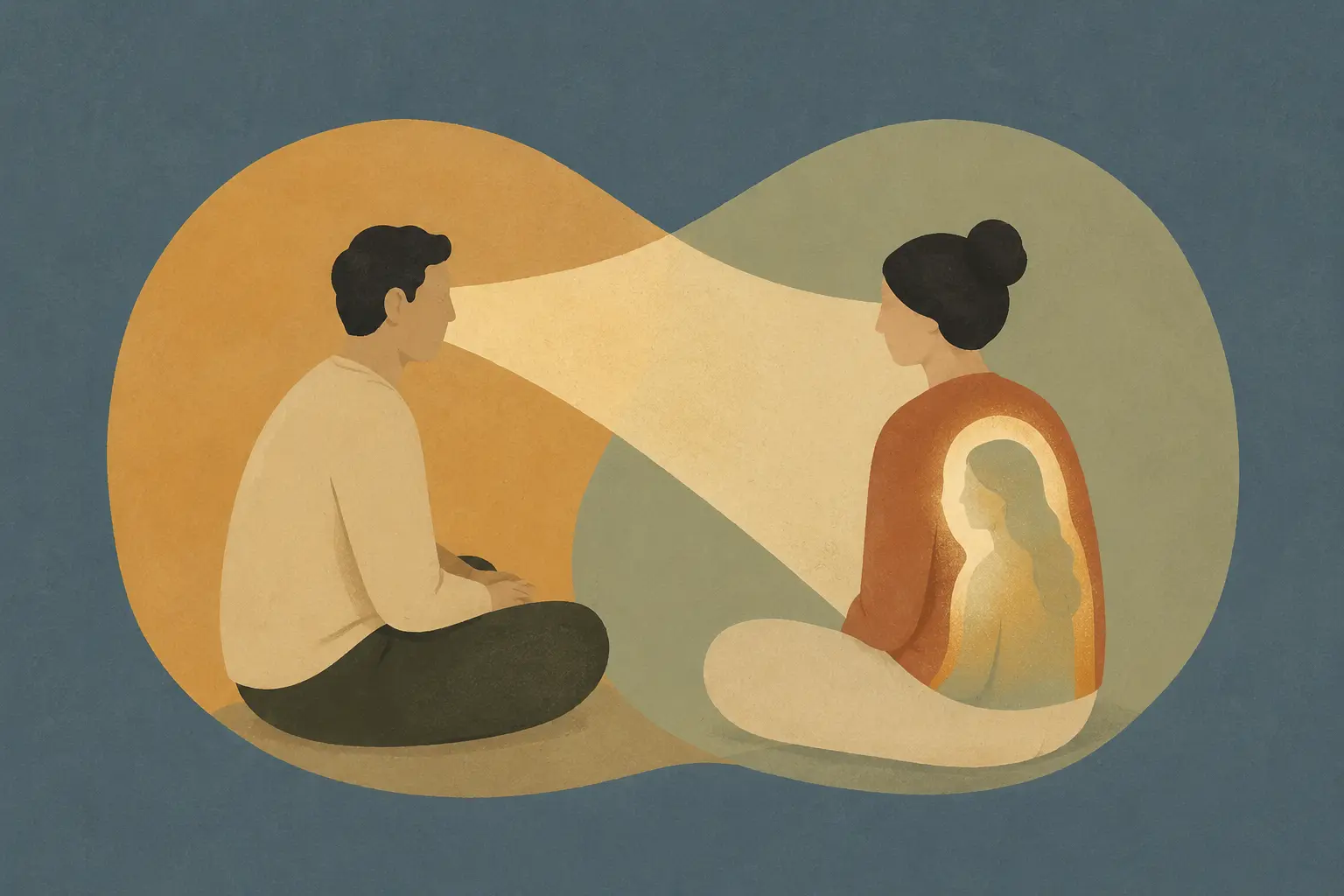
Why Does Curiosity Fade When Love Is Still There?
In long relationships, fading curiosity is often mistaken for the end of love. Yet we can keep loving someone while giving up the effort to know them. The reassuring sense of “I know you” can also lead us to treat a partner as a story that has already been written…
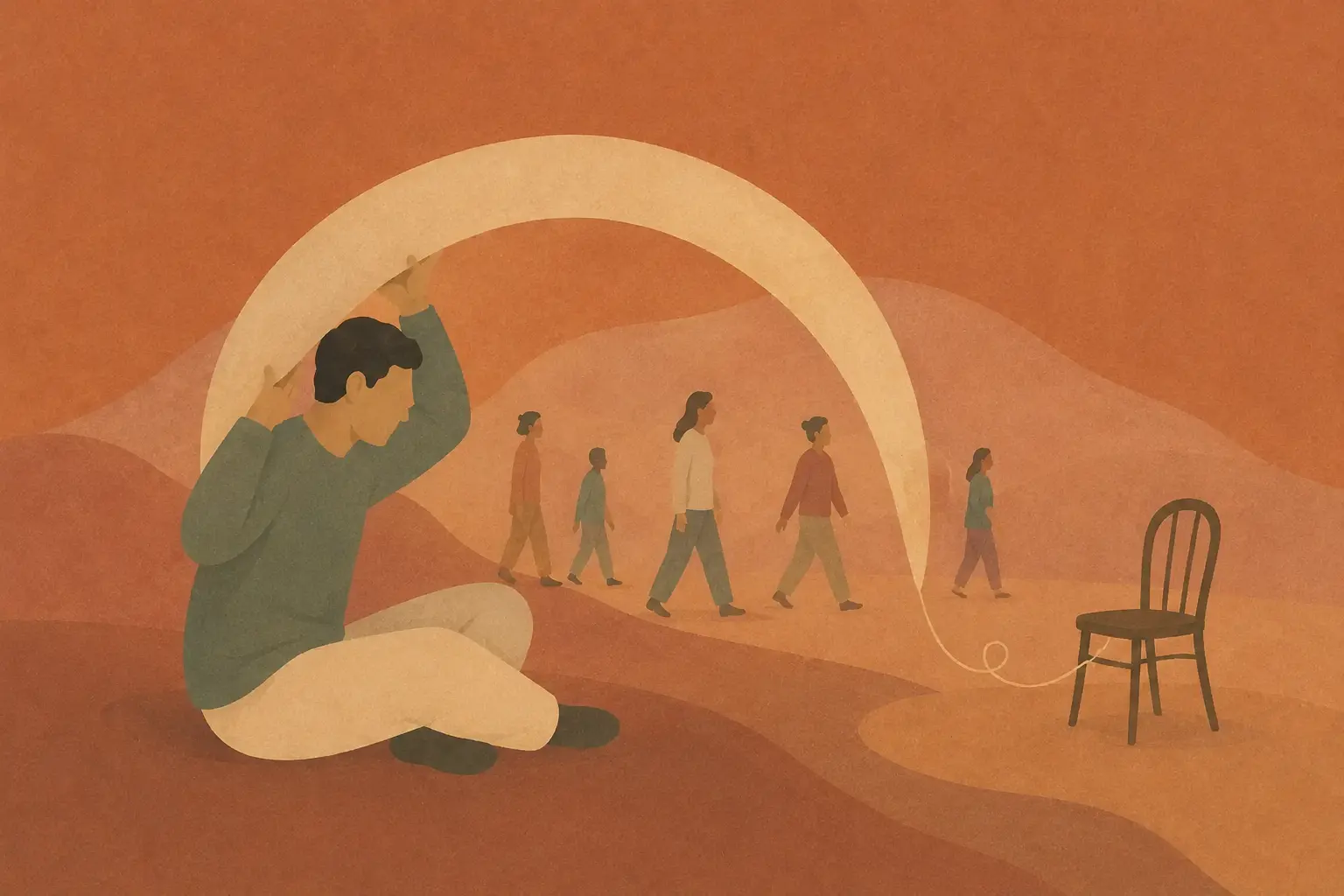
Why Does Always Being Strong Make Us Lonely?
The person everyone calls in a crisis cannot call anyone when it is their turn. Over time, being strong can become giving up on receiving support. The unexpressed need does not disappear; this is one way loneliness takes shape…
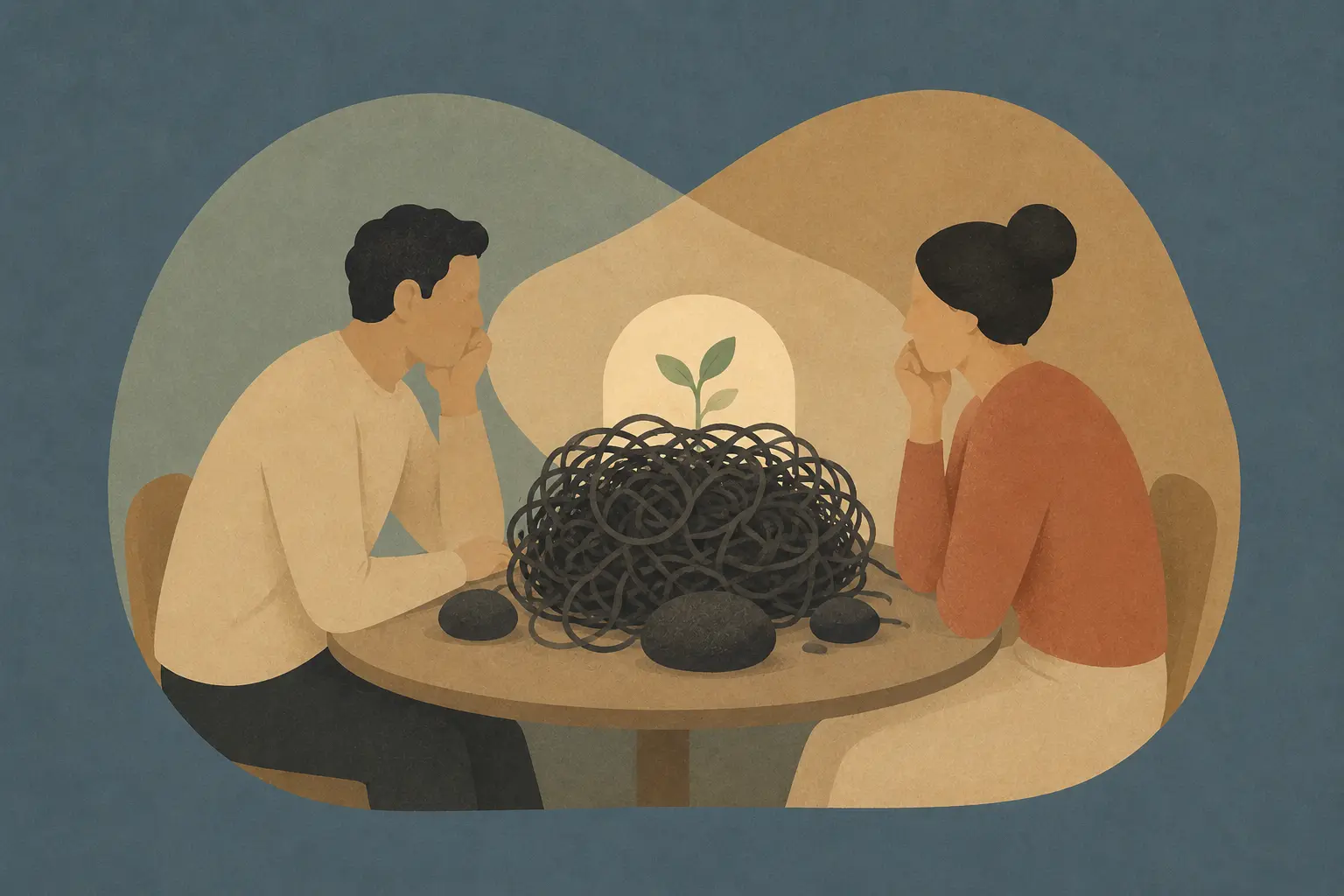
Why Do We Talk Only About Problems When We’re Trying to Save Our Relationship?
When a relationship is struggling, problems need to be discussed. But when every effort to improve things becomes an inspection of what is wrong, a shared life can start to resemble an endless fault log. The amount of talking grows without a matching increase in trust, play, or curiosity…
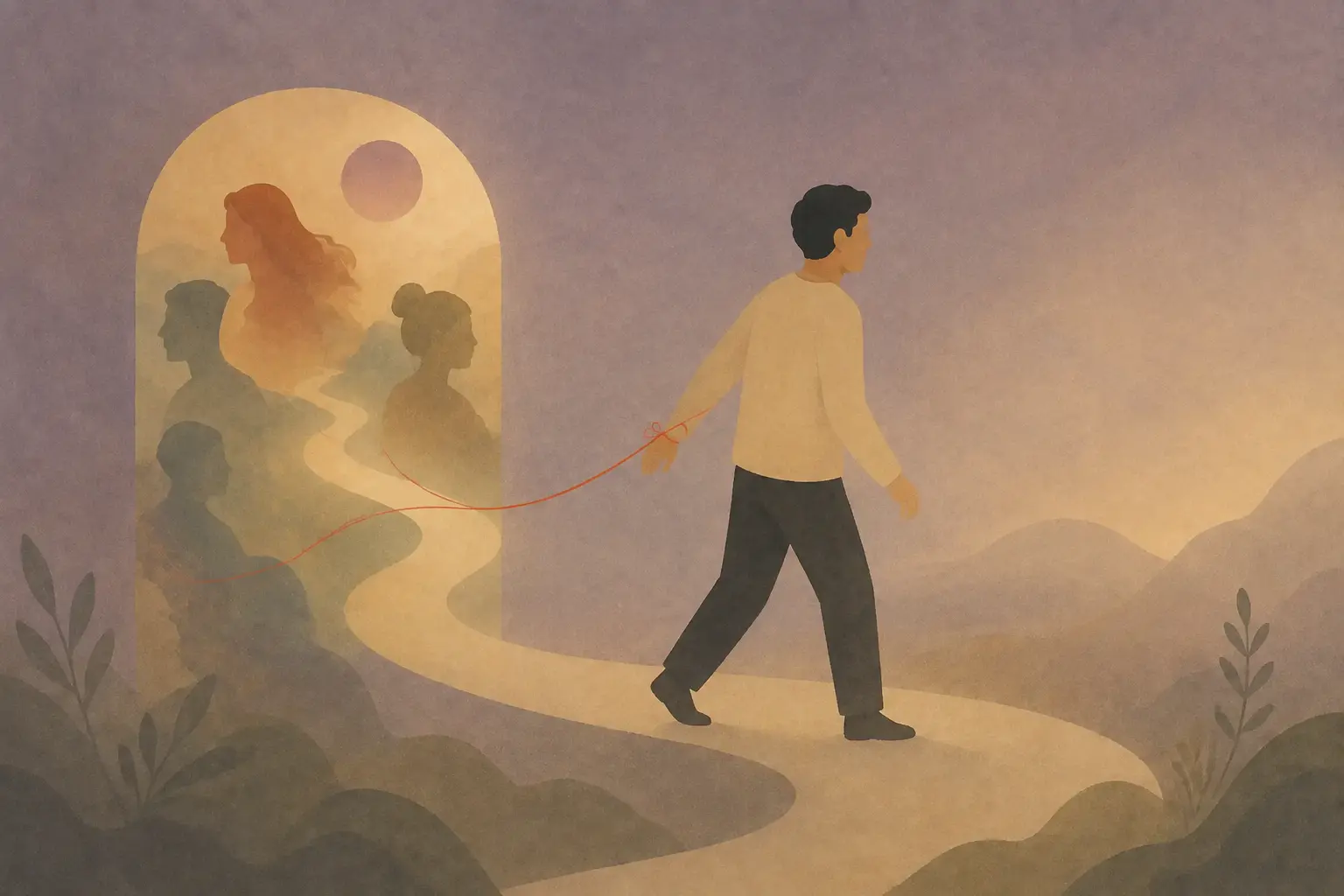
Why Can’t We Stop Looking Back?
If the past cannot change, why does the mind keep returning? Often, it seeks closure rather than an outcome. Remembering and reliving are different experiences…
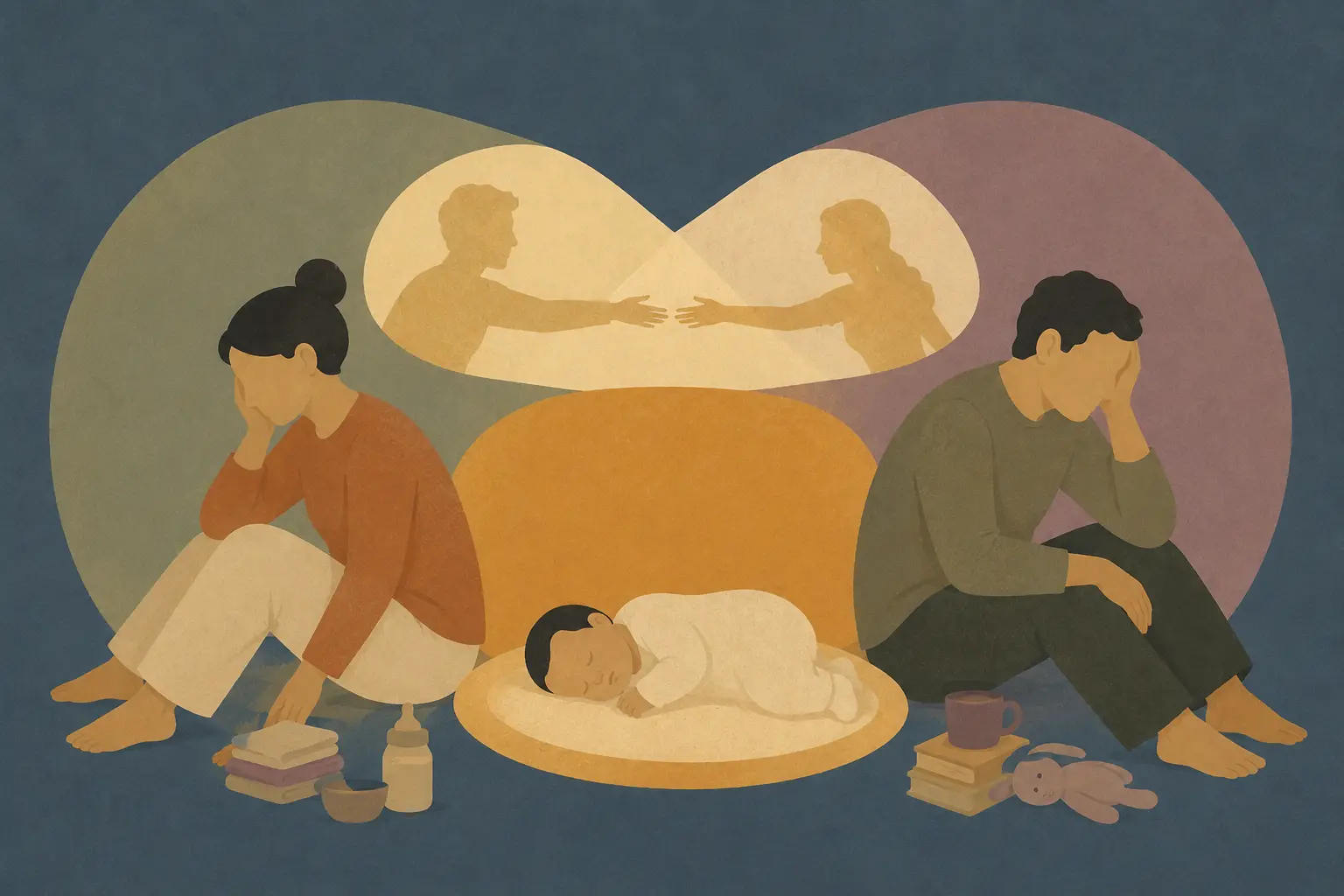
Why Do We Stop Feeling Like Romantic Partners After Having a Child?
A child brings a new love into a relationship while fundamentally changing its old arrangements. When romance recedes, it often reflects parenthood consuming the available resources rather than love coming to an end…
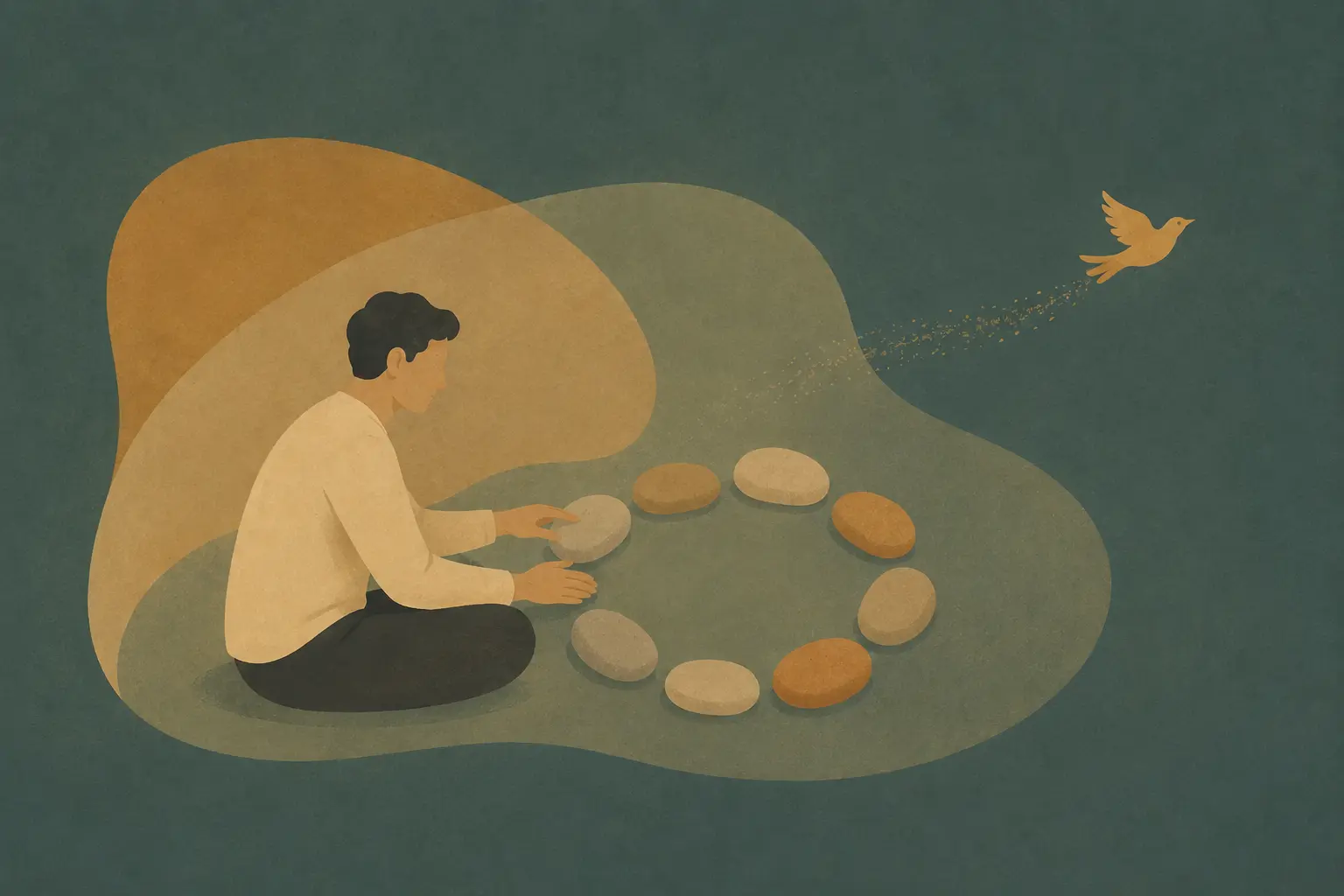
Will Controlling Everything Keep Me Safe?
Why does greater control not always mean less anxiety? Control can provide short-term security, but trust is not certainty. What distinguishes our sphere of influence from a wish for complete command?…
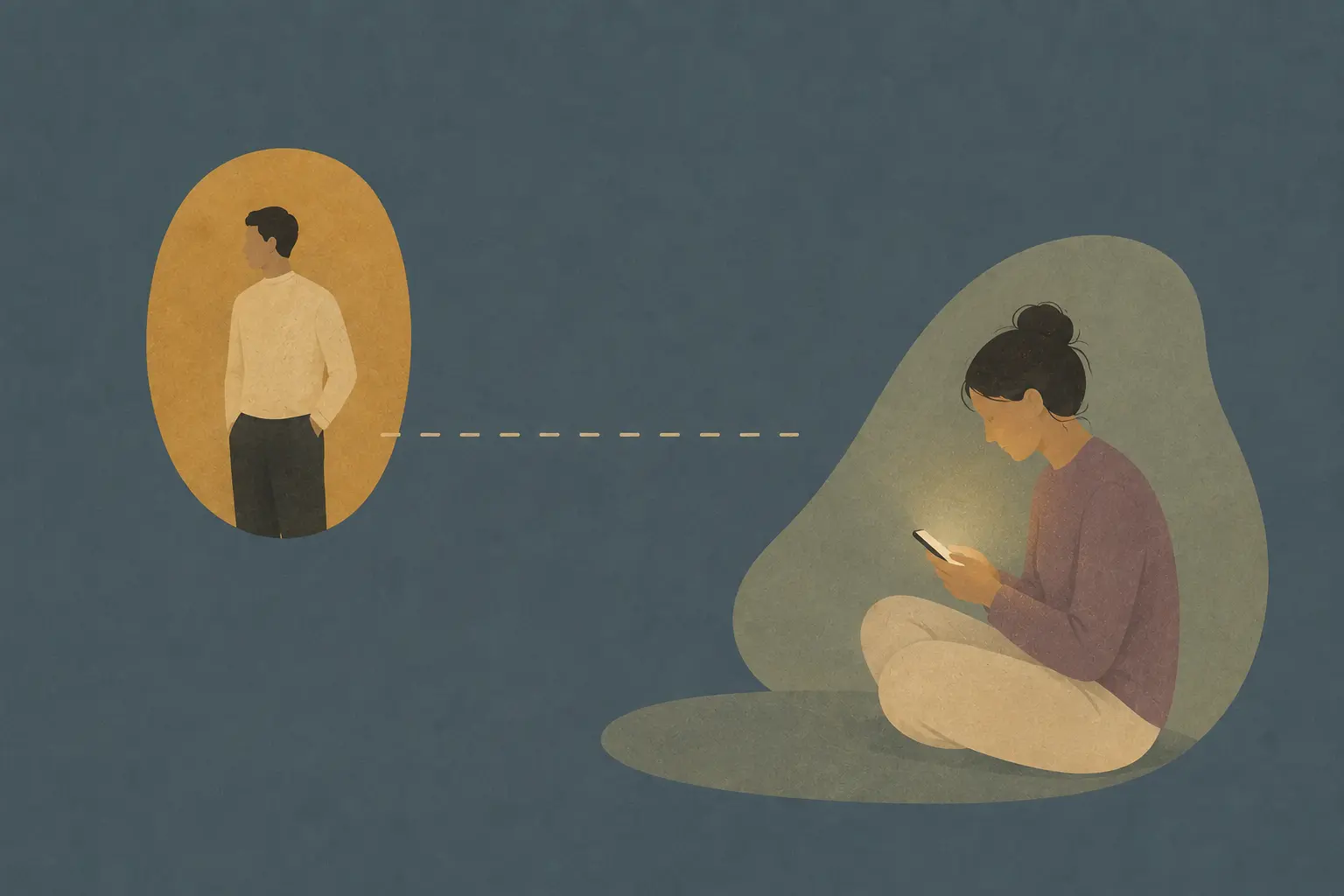
Why Does It Hurt So Much When My Partner Is Online but Doesn’t Message Me?
Online status, last-seen timestamps, read receipts: technology gives us plenty of information without telling us what it means. What is supposed to reduce uncertainty often makes it grow. Why can silence so quickly feel like rejection?…

Should Couples Sleep in the Same Bed?
For many couples, a shared bed is quiet evidence of closeness, which is why wanting to sleep separately can sound like rejection. Yet sleeping together and sleeping well are not the same thing. The question is whether the arrangement protects both rest and intimacy…
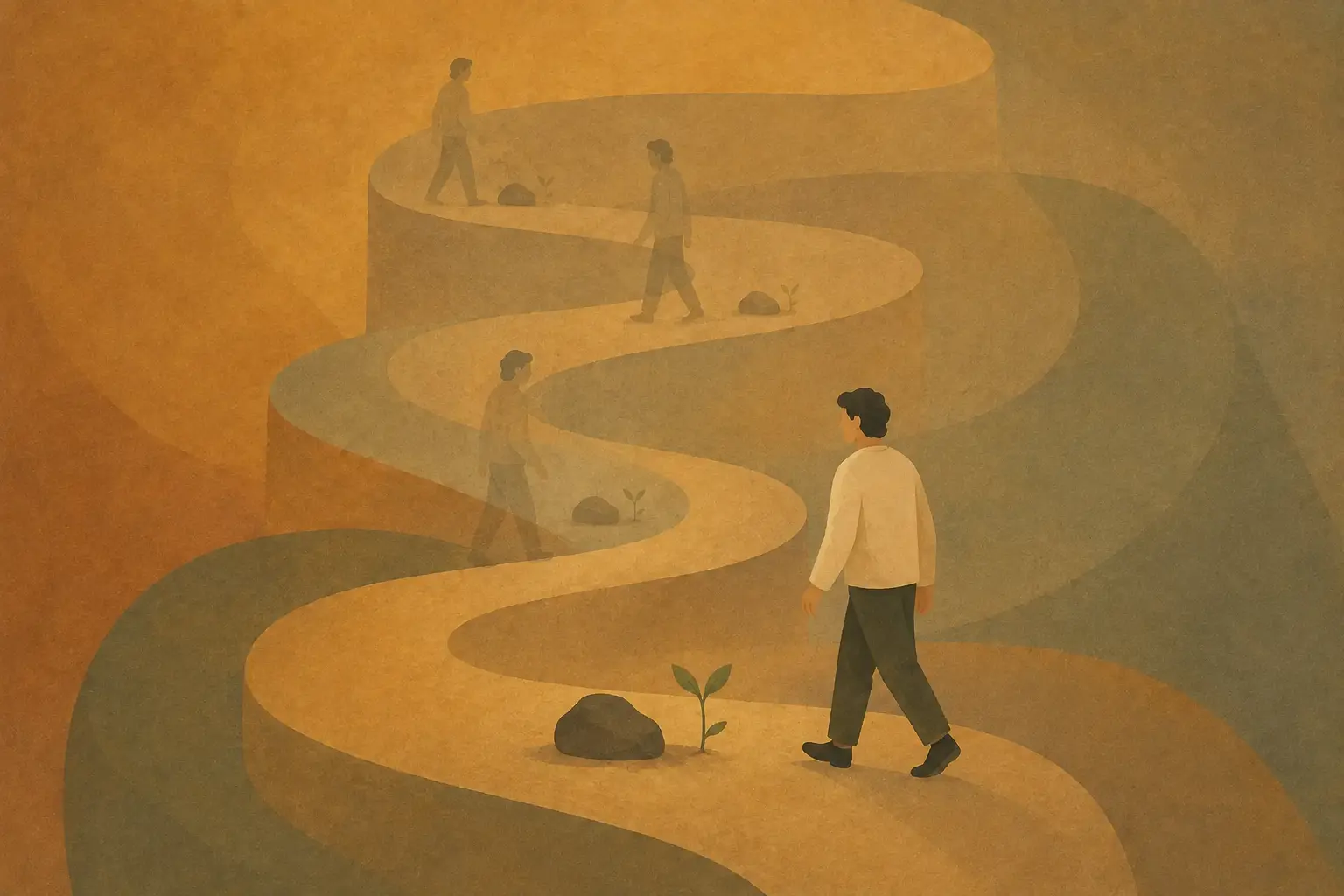
Why Do We Repeat a Mistake After Promising We Won’t?
The regret is real, and the behavior still recurs. This may be more than weak willpower: intention and habit do not operate in the same way. Repetition is not a final verdict of failure…
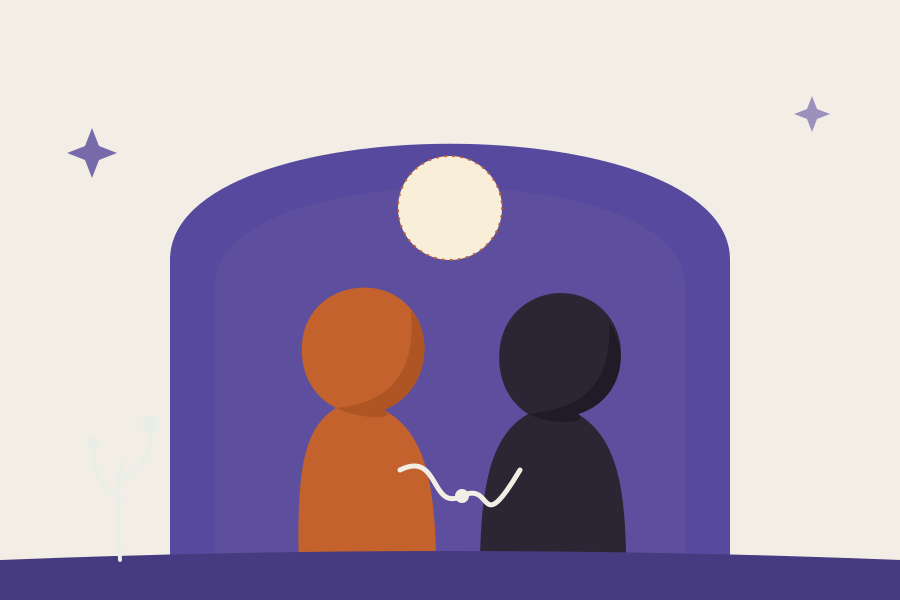
The Argument Is Over. Why Are You Still Having It?
The room goes quiet, but the conversation doesn't stop — it moves inside. You rehearse what you should have said, replay their face, argue your case to nobody. Often this is not overthinking. It is a body that has not yet received the news that the fight has ended.…

Why Do We Make Each Other Forget?
Couples do more than remember events differently: they also influence what each person can recall. As a shared story takes shape, one of two experiences can quietly disappear from view. A couple may appear to agree while growing lonelier within the relationship…
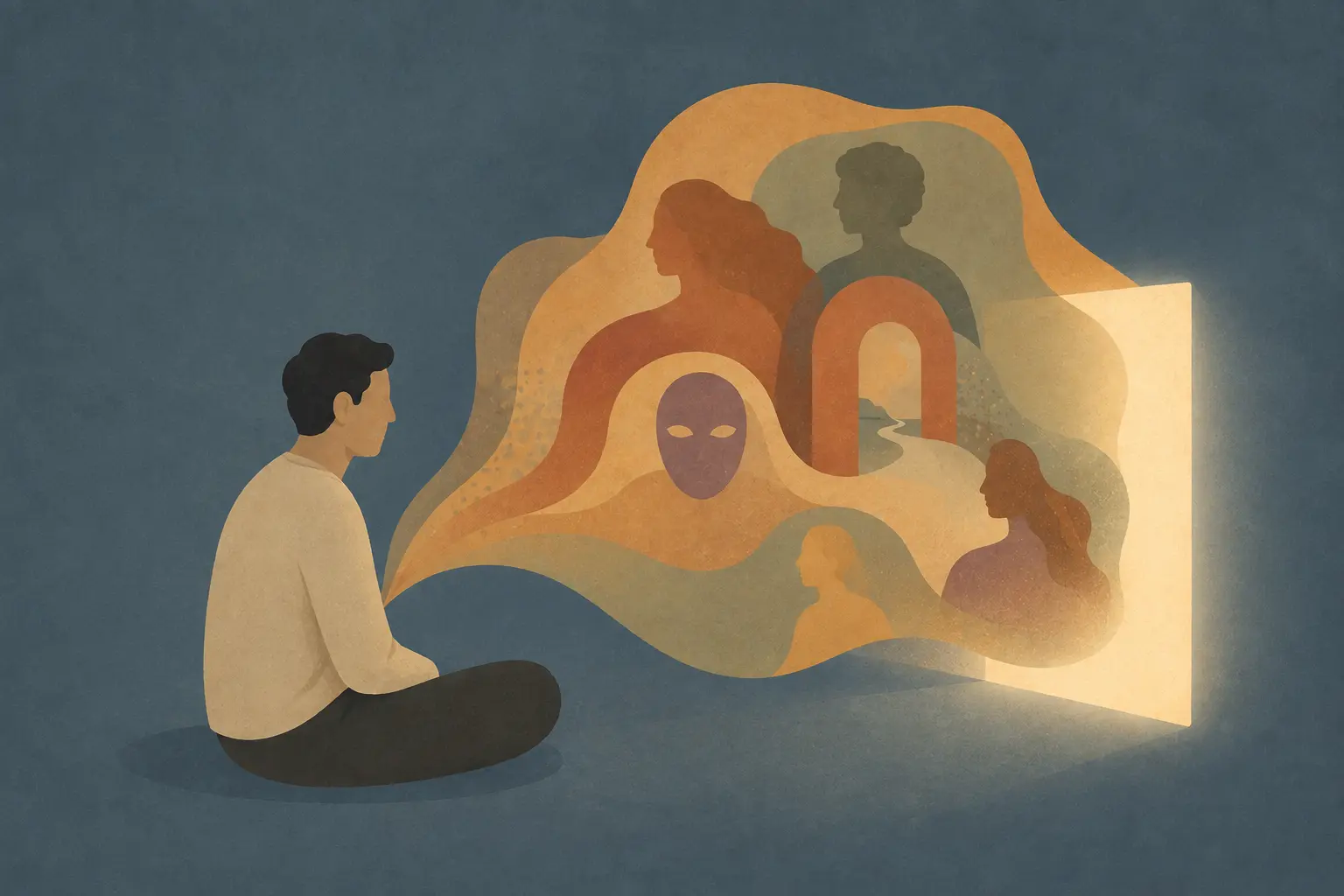
Does the Porn I Watch Reveal What I Really Want?
Finding an image arousing does not mean wanting to experience the scene. The body’s response, subjective desire, and what we choose in real life are three different layers. What we watch may offer a clue; on its own, it is not a confession…
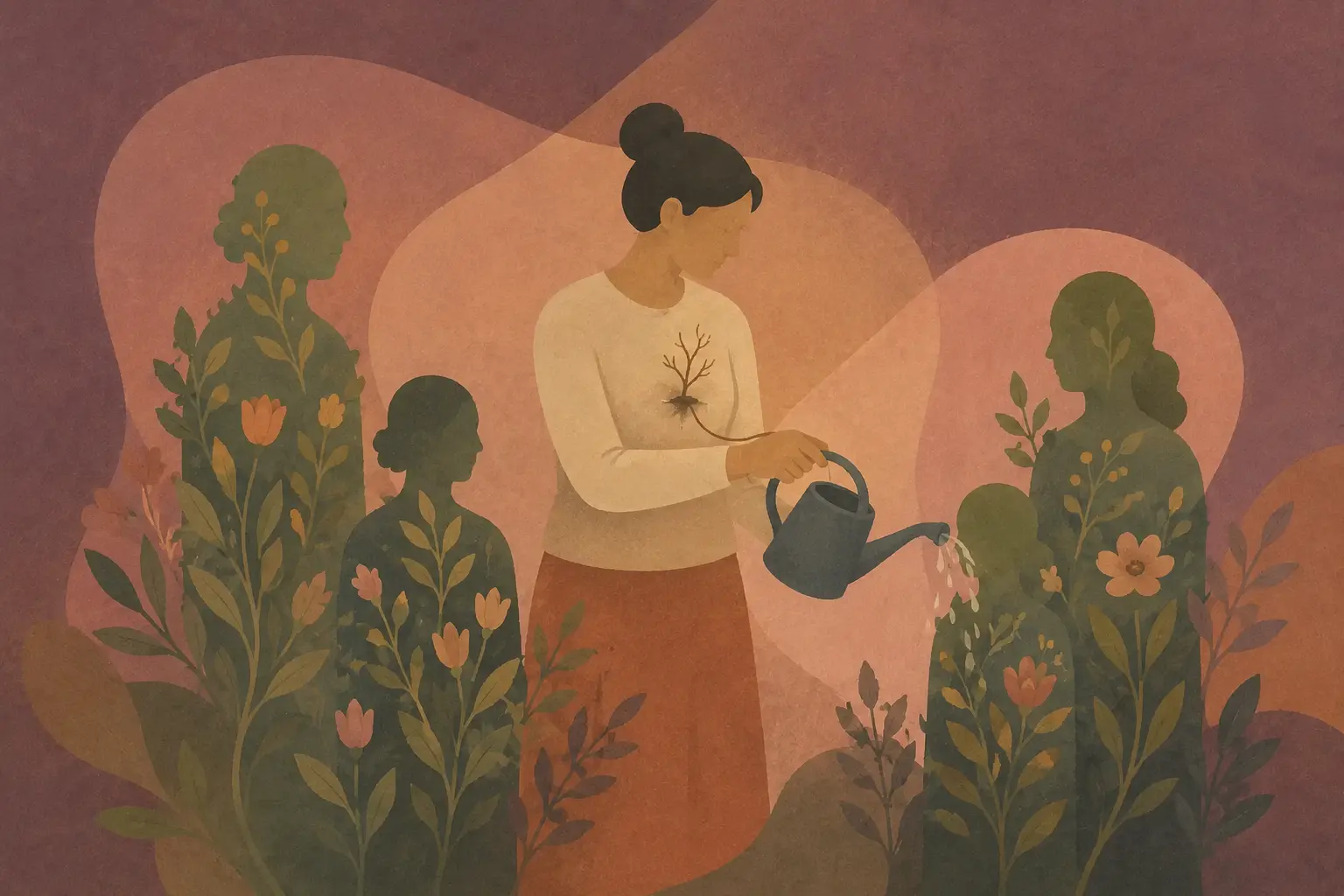
Why Do We Forget Ourselves While Rescuing Others?
Even exhausted, someone listens to another person’s crisis for hours and feels guilty at the thought of saying no. Later, they are angry that no one asks how they are. When does helping express compassion, and when does it become self-erasure?…
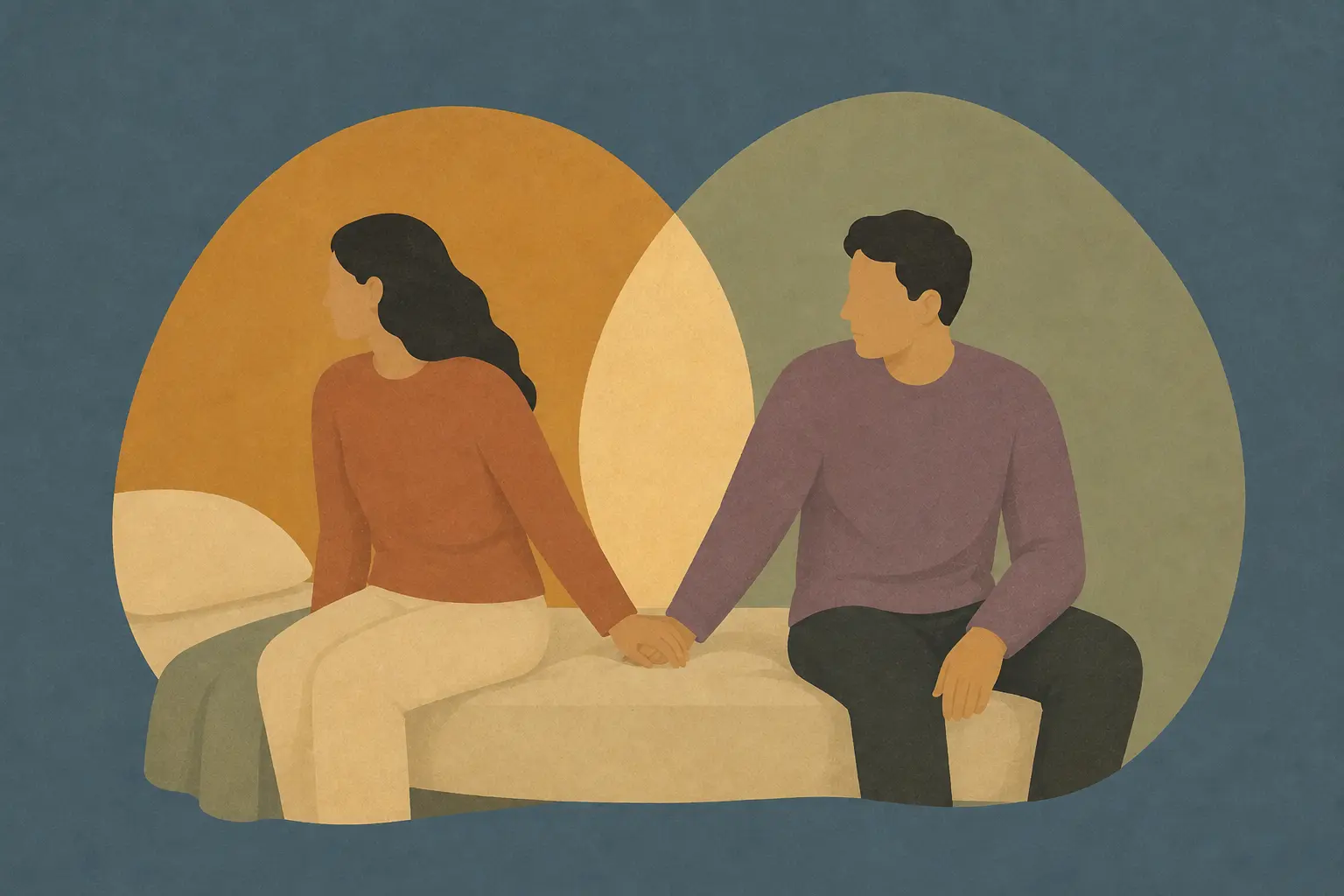
Am I Rejecting My Partner When I Don’t Want Sex?
Not wanting sex at a particular moment is different from rejecting a partner as a person. When the two become interchangeable, saying no becomes harder and intimacy becomes a test. Differences in sexual desire are a common experience for couples…
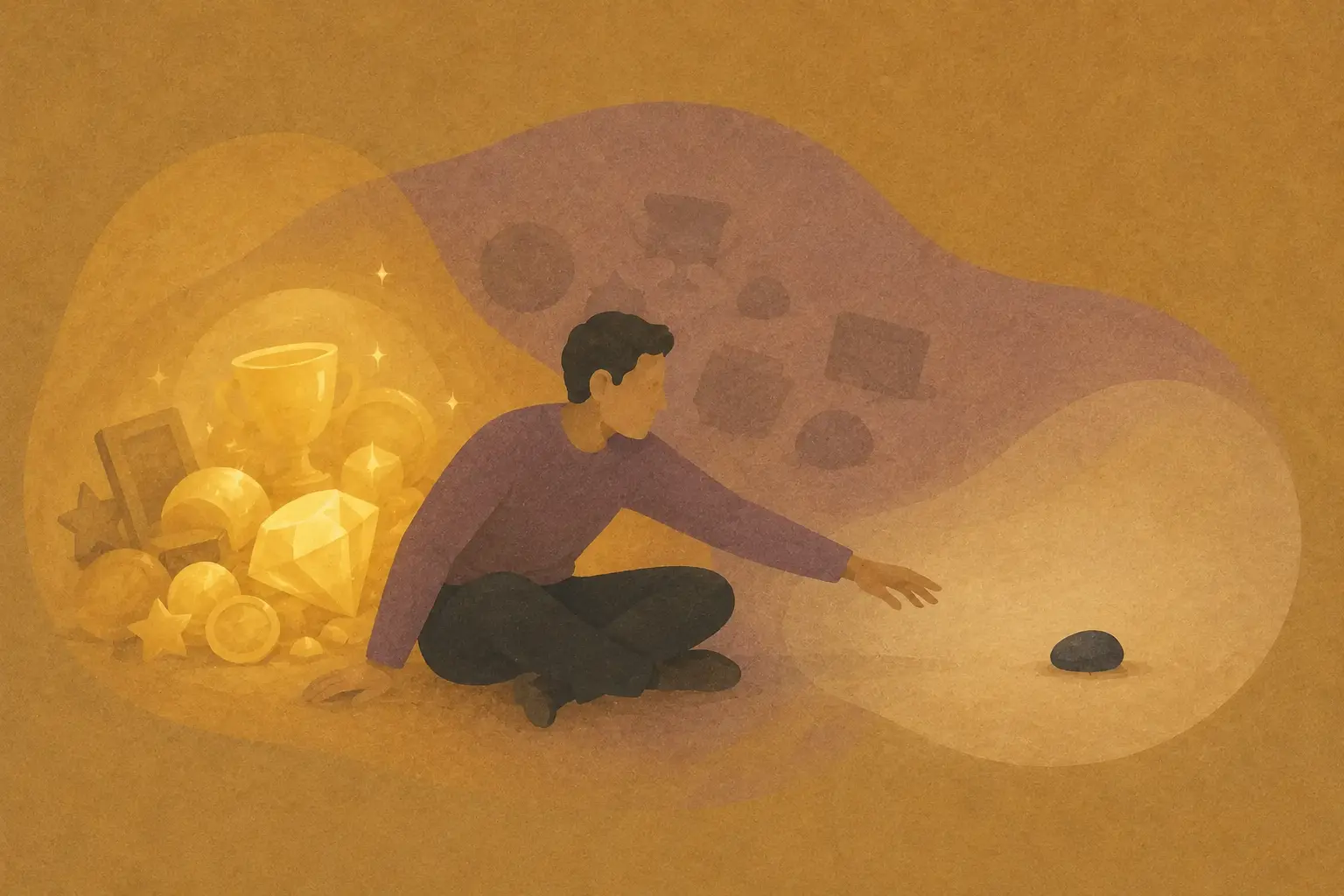
Why Does Something Lose Its Value So Quickly Once We Have It?
Something long awaited is finally ours. Weeks later, it blends into everyday life and the mind finds another target. We adapt to pleasure, while a good life takes shape beyond goals alone…
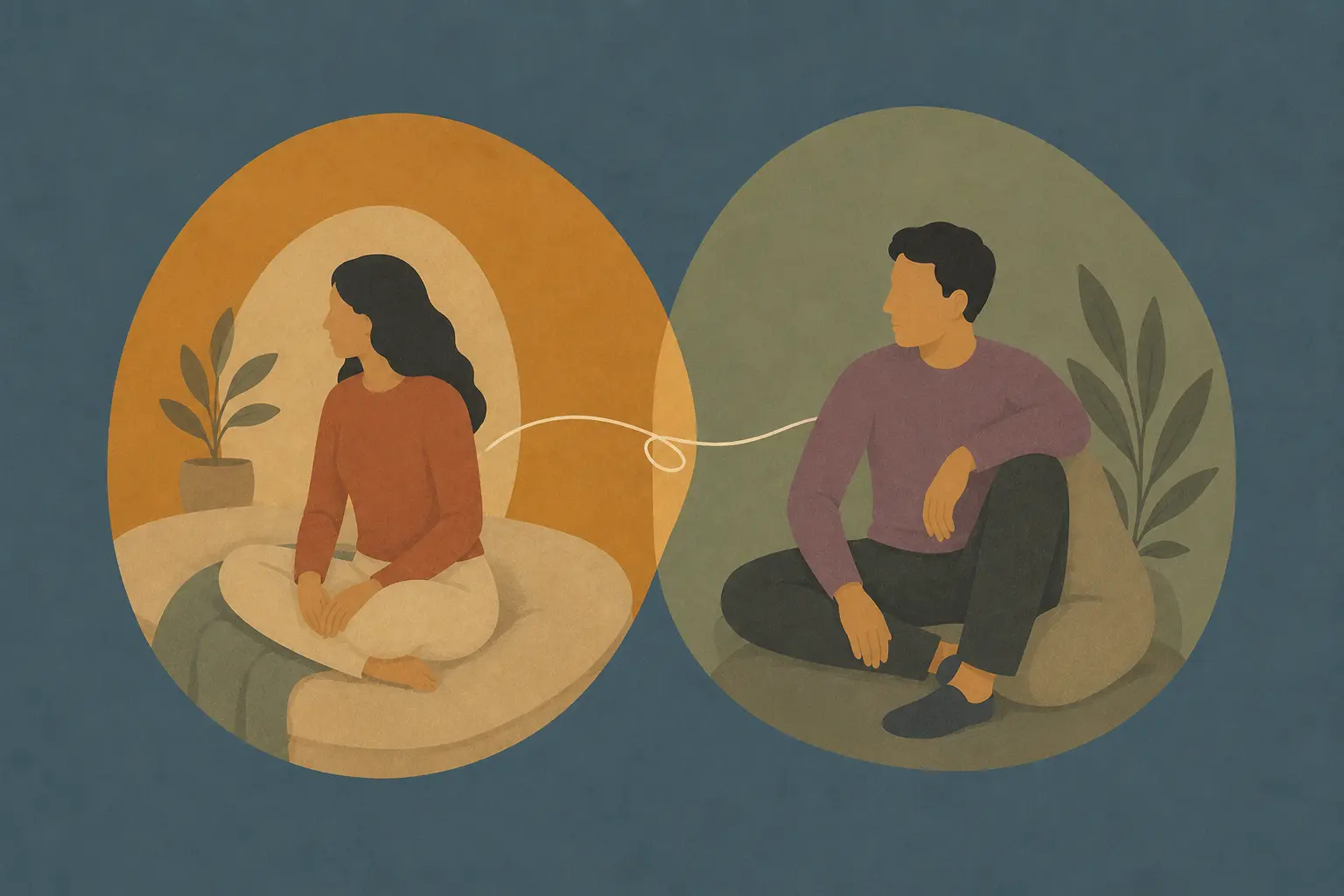
Does Masturbating in a Relationship Mean Pulling Away from Your Partner?
The behavior itself is not a reliable sign of distance from a partner. Its meaning develops through motivation, privacy, frequency, and the values both people bring to it. Sometimes the painful part is the comparison that follows…

Why Can’t I Let Go When I Know They Will Hurt Me?
Leaving a relationship means more than leaving a person: it also means leaving a familiar life and an imagined future. Knowing it is harmful does not necessarily make leaving easier. Attachment, patterns of learning within the relationship, and everything already invested can overlap…
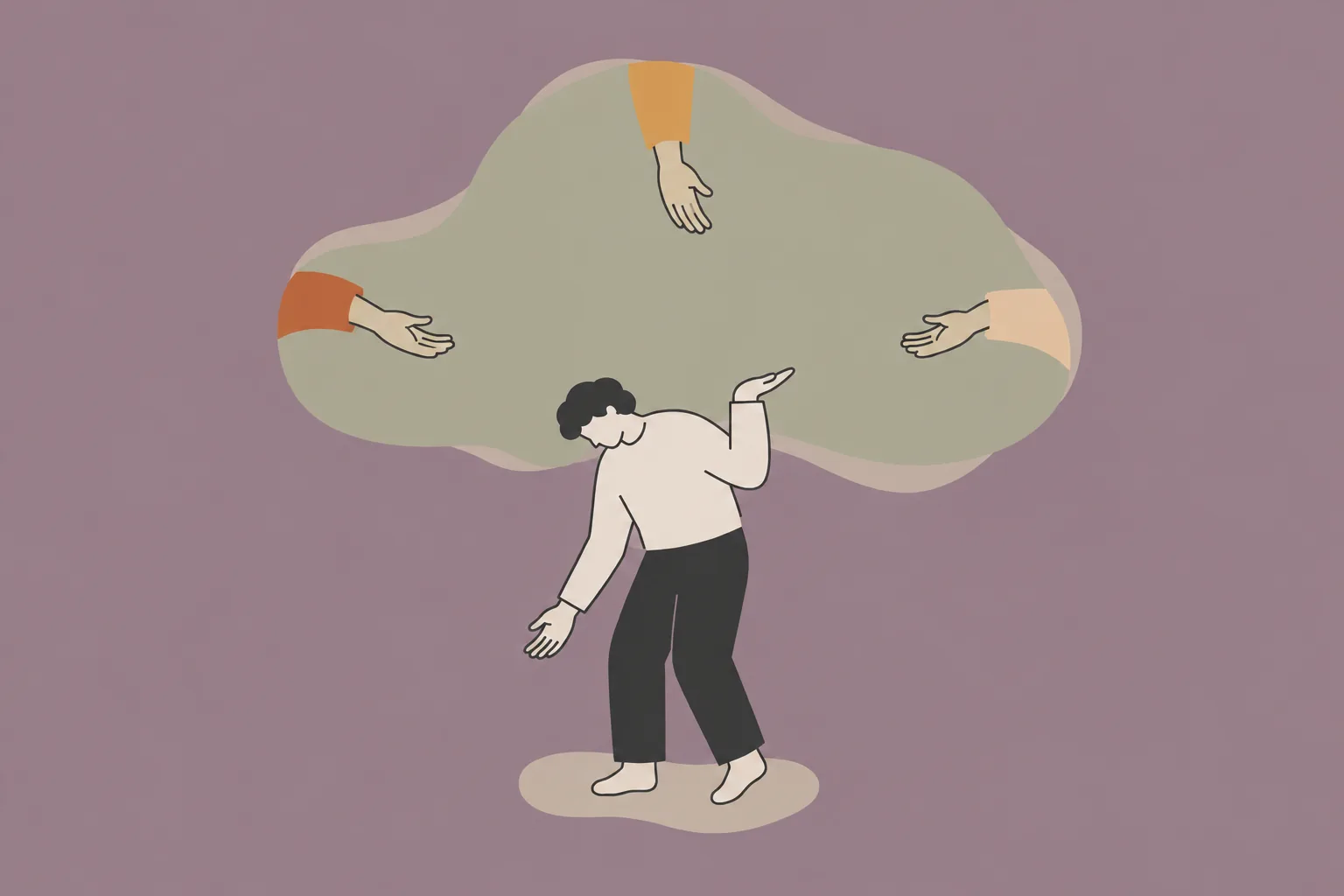
Why Does Everyone Ask Me for Help When I Can’t Ask Anyone Myself?
The person everyone calls in a crisis cannot make a call when they need support. Asking for help is more than expressing a need: it is a moment of closeness in which vulnerability becomes visible. Why does receiving help feel dangerous when giving it feels so natural?…

Why Do We Feel Guilty After Saying No?
After expressing a boundary, the mind immediately asks: are they hurt, was I wrong, could I have managed a little longer? Declining a request can create guilt as if we had caused real harm. Where does this guilt come from, and what is it trying to protect?…
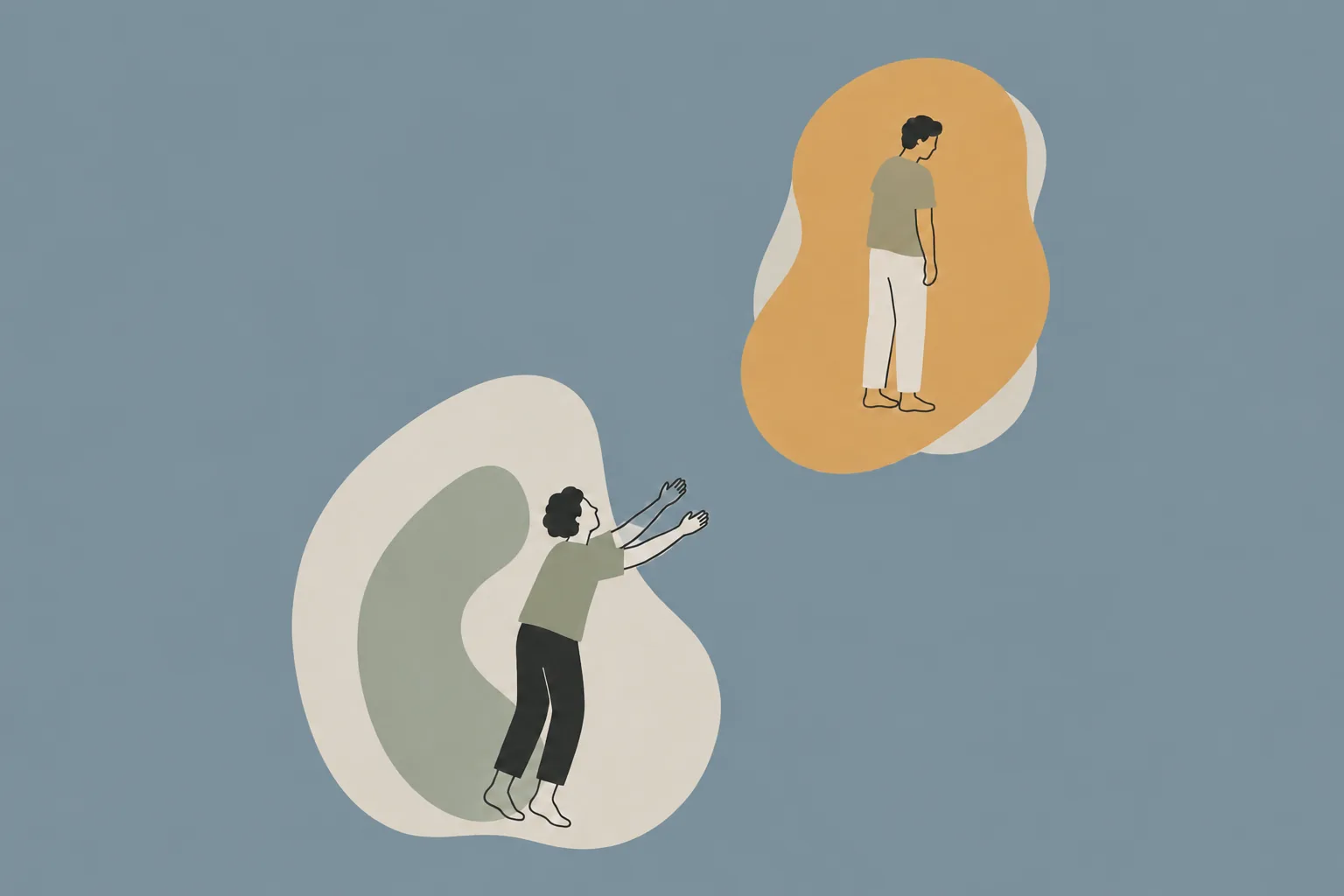
Why Does Winning the Love of Someone Who Doesn’t Love Me Feel So Important?
The less interest they show, the more we think about them; the further they pull away, the harder we try. From the inside, this effort can feel like filling something missing. Yet what we are pursuing may not always be that person, but the sense of worth we believe their choice would prove…